Caring for Your Friendly Nigerian Dwarf Goat Herd
Nigerian Dwarf goats are not just adorable; they are also friendly, intelligent, and make excellent companions. If you are considering adding these charming creatures to your homestead or farm, understanding how to care for them is essential. This guide will walk you through the key aspects of caring for your Nigerian Dwarf goat herd, ensuring they thrive in a happy and healthy environment.
Understanding Nigerian Dwarf Goats
What Makes Nigerian Dwarf Goats Unique?
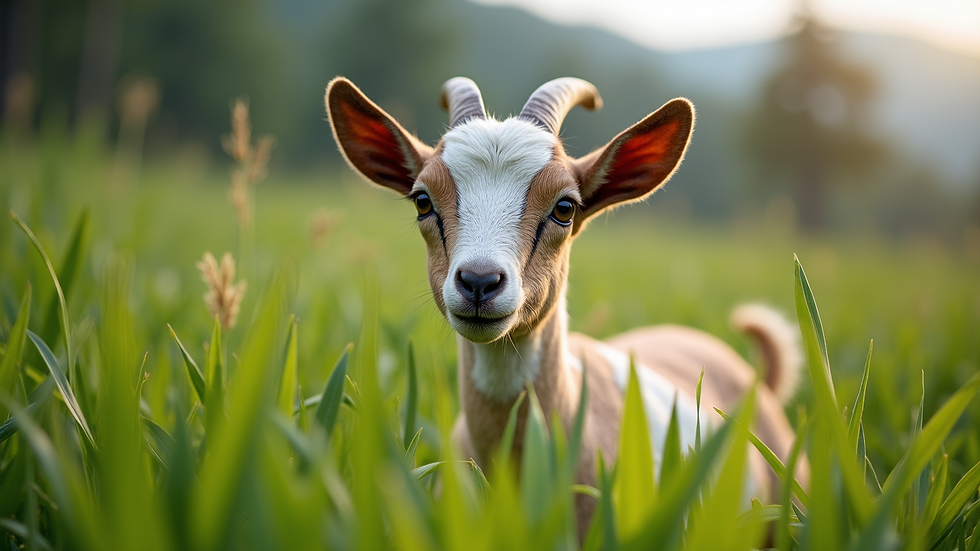
Nigerian Dwarf goats are a miniature breed known for their friendly disposition and playful nature. They typically stand between 17 to 21 inches tall and weigh around 50 to 75 pounds. Their small size makes them ideal for small farms or backyards. Here are some unique characteristics:
Friendly Temperament: They are known for their sociable nature and often bond closely with their human caretakers.
Variety of Colors: Nigerian Dwarfs come in various colors and patterns, making each goat unique.
High Milk Production: Despite their small size, they can produce a surprising amount of milk, making them a favorite among dairy goat enthusiasts.
The Importance of Socialization
Nigerian Dwarf goats are herd animals, meaning they thrive in groups. Keeping at least two goats is crucial for their mental and emotional well-being. A lonely goat can become stressed and develop behavioral issues. When introducing new goats to your herd, do so gradually to allow them to acclimate to each other.
Basic Care Requirements
Housing and Shelter
Creating a safe and comfortable living environment is vital for your goats. Here are some key points to consider:
Space Requirements: Each goat needs at least 200 square feet of outdoor space. This allows them to roam, graze, and play.
Shelter: Provide a clean, dry shelter that protects them from harsh weather conditions. A simple barn or shed with proper ventilation will suffice.
Fencing: Strong fencing is essential to keep your goats safe from predators. Stock fencing or woven wire fencing is recommended.
Nutrition and Feeding
A balanced diet is crucial for the health of your Nigerian Dwarf goats. Here’s what you need to know:
Hay: High-quality hay should be the primary food source. Timothy hay and alfalfa are excellent choices.
Grain: You can supplement their diet with goat grain, especially for pregnant or lactating females. However, avoid overfeeding as it can lead to obesity.
Fresh Water: Always provide access to clean, fresh water. Goats can drink a significant amount, especially in hot weather.
Health Care
Regular health checks and vaccinations are essential to keep your goats healthy. Here are some tips:
Routine Check-ups: Schedule annual veterinary check-ups to monitor their health.
Vaccinations: Ensure your goats are vaccinated against common diseases such as CD&T (Clostridium perfringens and tetanus).
Hoof Care: Regular hoof trimming is necessary to prevent foot problems. Aim to trim their hooves every 6 to 8 weeks.
Grooming Your Nigerian Dwarf Goats
Brushing and Bathing
Grooming is an important aspect of goat care. Regular brushing helps keep their coat healthy and free of debris. Here’s how to do it:
Brushing: Use a soft-bristled brush to remove dirt and loose hair. This is especially important during shedding season.
Bathing: While goats don’t need frequent baths, you can bathe them if they get particularly dirty. Use a mild goat shampoo and rinse thoroughly.
Identifying Health Issues
Being attentive to your goats’ behavior and appearance can help you catch health issues early. Look for signs such as:
Changes in Appetite: A sudden decrease in appetite can indicate illness.
Lethargy: If your goat is less active than usual, it may be unwell.
Abnormal Behavior: Any unusual behavior should be investigated promptly.
Breeding Nigerian Dwarf Goats
Understanding the Breeding Process
If you plan to breed your Nigerian Dwarf goats, it’s essential to understand the process:
Breeding Age: Nigerian Dwarfs can breed as early as 7 months old, but it’s best to wait until they are at least a year old for their health.
Gestation Period: The average gestation period for goats is about 150 days. Be prepared for kidding season by having a clean, quiet area ready for the mother.
Caring for Kids
Newborn goats, or kids, require special attention. Here’s what to do:
Colostrum: Ensure that kids receive colostrum (the first milk) within the first few hours of life. This is crucial for their immune system.
Socialization: Allow kids to interact with their mother and other goats to develop social skills.
Enrichment and Play
Keeping Your Goats Engaged
Nigerian Dwarf goats are intelligent and curious animals that need mental stimulation. Here are some ways to keep them entertained:
Toys: Provide safe toys such as balls or climbing structures. Goats love to climb and explore.
Obstacle Courses: Set up simple obstacle courses using hay bales or logs to encourage physical activity.
Foraging: Allow them to forage for treats like leaves or branches. This mimics their natural behavior and keeps them engaged.
Training Your Goats
Training your goats can enhance your relationship with them. Here are some tips:
Positive Reinforcement: Use treats to reward good behavior. This encourages them to learn commands.
Basic Commands: Teach simple commands like “come” or “stay” to help manage your herd more effectively.
Conclusion
Caring for your Nigerian Dwarf goat herd can be a rewarding experience filled with joy and companionship. By providing proper housing, nutrition, health care, and enrichment, you can ensure that your goats lead happy and healthy lives. Remember, these friendly creatures thrive on social interaction, so always keep them in pairs or groups.
As you embark on this journey, take the time to learn about their needs and behaviors. Your goats will not only enrich your life but also become cherished members of your family. Start building your herd today and enjoy the delightful experience of goat ownership!


Comments