Top Tips for Breeding Nigerian Dwarf Goats Successfully
Breeding Nigerian Dwarf goats can be a rewarding venture, whether you're looking to expand your herd for milk production, companionship, or simply for the joy of raising these charming animals. With their small size, friendly demeanor, and adaptability, Nigerian Dwarfs are an excellent choice for both novice and experienced goat breeders. In this guide, we will explore essential tips and best practices to ensure your breeding efforts are successful.

Understanding Nigerian Dwarf Goats
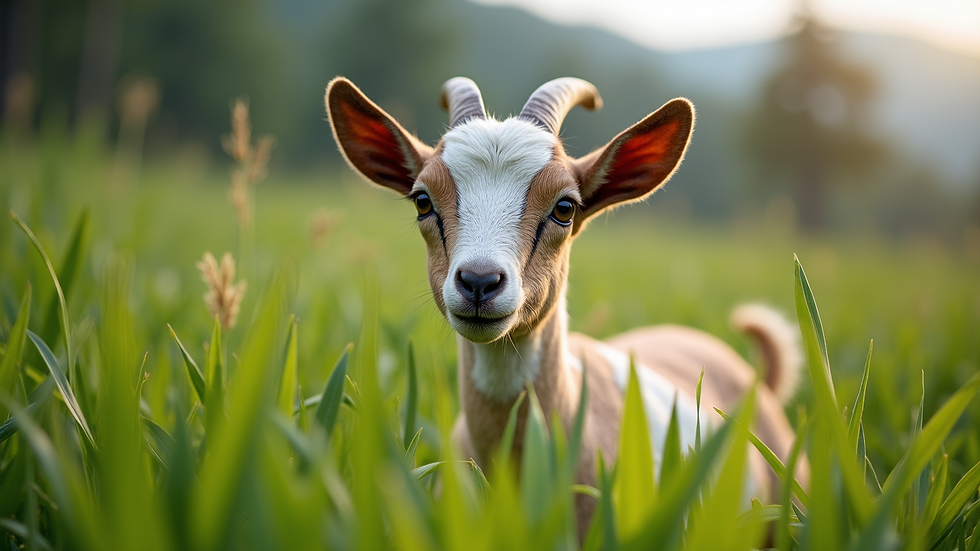
Nigerian Dwarf goats are a miniature breed known for their friendly nature and high milk production relative to their size. They typically stand between 17 to 21 inches tall and can weigh between 50 to 75 pounds. Their milk is rich and creamy, making them popular among dairy goat enthusiasts.
Characteristics of Nigerian Dwarf Goats
Temperament: They are known for their playful and affectionate personalities, making them great companions.
Adaptability: These goats thrive in various environments, from small backyards to larger farms.
Milk Production: Despite their size, they can produce a significant amount of milk, often exceeding a quart per day.
Preparing for Breeding
Before you start breeding Nigerian Dwarf goats, it's crucial to prepare adequately. Here are some steps to consider:
Selecting Breeding Stock
Choosing the right breeding stock is vital for a successful breeding program. Look for goats that exhibit the following traits:
Health: Ensure that the goats are healthy and free from diseases. A veterinary check-up is recommended.
Conformation: Select goats that meet breed standards in terms of size, shape, and overall appearance.
Temperament: Choose goats with friendly and calm dispositions to ensure a harmonious herd.
Setting Up the Breeding Environment
Creating a suitable environment for breeding is essential. Consider the following:
Space: Provide ample space for the goats to roam and interact. A minimum of 200 square feet per goat is recommended.
Shelter: Ensure that there is a clean, dry shelter to protect them from harsh weather conditions.
Fencing: Strong fencing is necessary to keep your goats safe from predators and prevent them from wandering off.
Breeding Practices
Once you have your breeding stock and environment set up, it's time to focus on the actual breeding process.
Timing the Breeding
Nigerian Dwarf goats are seasonal breeders, typically coming into heat in the fall and winter months. Here are some tips for timing:
Heat Cycles: Female goats (does) come into heat every 18 to 24 days. Monitor their behavior for signs of heat, such as increased vocalization and restlessness.
Breeding Window: The best time to breed is during the first 12 hours of heat. If you miss this window, you may need to wait for the next cycle.
Breeding Methods
There are two primary methods for breeding Nigerian Dwarf goats:
Natural Breeding: This involves allowing a buck (male goat) to mate with the doe. Ensure that the buck is healthy and has been tested for diseases.
Artificial Insemination: This method requires more expertise but can be beneficial for introducing new genetics into your herd. Consult with a veterinarian for proper techniques.
Caring for Pregnant Does
Once your does are bred, proper care is essential for the health of both the mother and the kids (baby goats).
Nutrition
A balanced diet is crucial during pregnancy. Focus on:
Quality Hay: Provide high-quality hay as the primary forage.
Grain: Introduce a grain supplement to meet the increased nutritional needs of pregnant does.
Minerals: Ensure access to a mineral block specifically formulated for goats.
Monitoring Health
Regular health checks are vital during pregnancy. Look for signs of complications, such as:
Weight Loss: Sudden weight loss can indicate health issues.
Abnormal Behavior: Changes in behavior may signal distress or illness.
Preparing for Kidding
Kidding is the process of giving birth, and being prepared can make a significant difference.
Kidding Area
Create a clean, quiet area for the doe to give birth. This space should include:
Bedding: Use clean straw or hay for bedding.
Privacy: Ensure the area is away from the main herd to reduce stress.
Supplies
Have the following supplies on hand for the kidding process:
Clean Towels: For drying off the kids after birth.
Kidding Kit: This may include iodine for naval dipping, gloves, and any necessary medications.
Post-Kidding Care
After the kids are born, proper care is essential for their health and development.
Monitoring Kids
Keep a close eye on the newborns. Look for:
Nursing: Ensure that the kids are nursing within the first few hours.
Health: Monitor for any signs of illness or distress.
Weaning
Kids can typically be weaned at around 8 to 12 weeks of age. Gradually reduce their access to their mother's milk while introducing solid food.
Common Challenges in Breeding
Breeding Nigerian Dwarf goats can come with its challenges. Here are some common issues and how to address them:
Health Issues
Diseases: Regular veterinary check-ups and vaccinations can help prevent common diseases.
Parasites: Implement a deworming schedule to keep parasites at bay.
Behavioral Issues
Aggression: If a goat displays aggressive behavior, consider separating them from the herd until they can be reintroduced safely.
Boredom: Provide enrichment activities, such as toys or climbing structures, to keep goats mentally stimulated.
Conclusion
Breeding Nigerian Dwarf goats can be a fulfilling and enjoyable experience. By following these tips and best practices, you can ensure the health and well-being of your goats while successfully expanding your herd. Remember to stay informed, seek advice when needed, and enjoy the journey of raising these delightful animals.
As you embark on your breeding adventure, consider joining local goat clubs or online forums to connect with other breeders. Sharing experiences and knowledge can enhance your breeding practices and help you navigate any challenges that arise. Happy breeding!

Comments